
As the new year begins, many homeowners find themselves staring at their backyard, wondering exactly when is the right season to start their deck building project. Timing is everything, and if you plan it right, you can save money, avoid long waits, and ensure your deck lasts for decades.
The truth is, the best time of year to build a deck isn’t always when you think it is. Many homeowners rush to call contractors in warmer months, but that might be the most stressful time to begin due to peak demand. By looking at the year as a whole, you can find windows of opportunity where the weather is stable, the prices are lower, and the workers are ready to give your home their full attention.
The Benefits of Planning Your Dream Deck Early
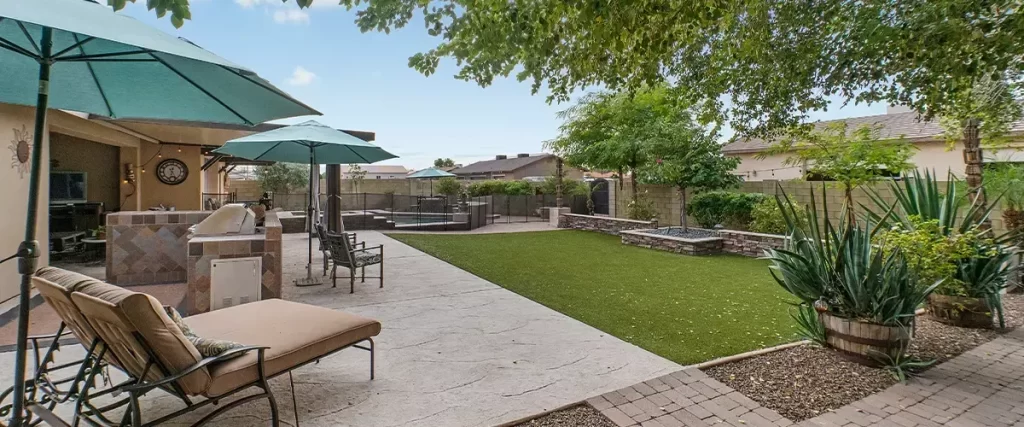
Planning your new deck early will give you a huge advantage. If you want to be sitting on your deck by June, your planning phase should really begin in the previous autumn or winter.
Start planning your deck project in late winter or early spring to optimize scheduling and ensure better material availability. This gives you time to research different brands, look at samples in different lighting, and set a realistic budget that accounts for both the construction and the upgrades. Applying for permits during late winter or early spring is also advisable to avoid lengthy wait times during the summer peak.
Late spring is often considered the ideal time to build a deck, thanks to improved weather conditions and better contractor availability. Alternatively, building in late fall (September-October) or early spring (March-April) can result in lower costs and quality building conditions.
The Seasonal Breakdown: When to Schedule
Choosing the right season to build a new deck is a balance between weather, cost, and how quickly you want the job done.
| Season | Pros | Cons |
| Spring | Motivation is high, ground is thawing, cooler temperatures (55-70°F) are ideal for materials and allow for early enjoyment of your deck. | High demand, rainy days, long wait times. |
| Summer | Long daylight hours, predictable weather, and faster work. | Intense heat, contractors are fully booked, peak demand, highest costs, and possible weather delays. |
| Fall | Mild weather, lower humidity, and great for wood curing and deck installation. | Getting closer to potential snowfall. |
| Winter | Best availability, possible off-season discounts, and easier scheduling since many contractors have lighter workloads. Faster permit approvals due to lower demand. | Freezing temperatures can make digging a bit more difficult. |
Building in the winter months (January-February) is often the best choice for budget-conscious homeowners, providing savings of 10-20% due to lower demand for materials and labor. Many contractors have more availability during the colder months, making it easier to schedule your project, and getting building permits can be faster in winter due to fewer applications.
Cooler temperatures in early spring (April-May) are ideal for deck materials and allow you to enjoy your new deck before the busy season, but this also increases demand for contractors.
Spring and Summer: The High Demand Months
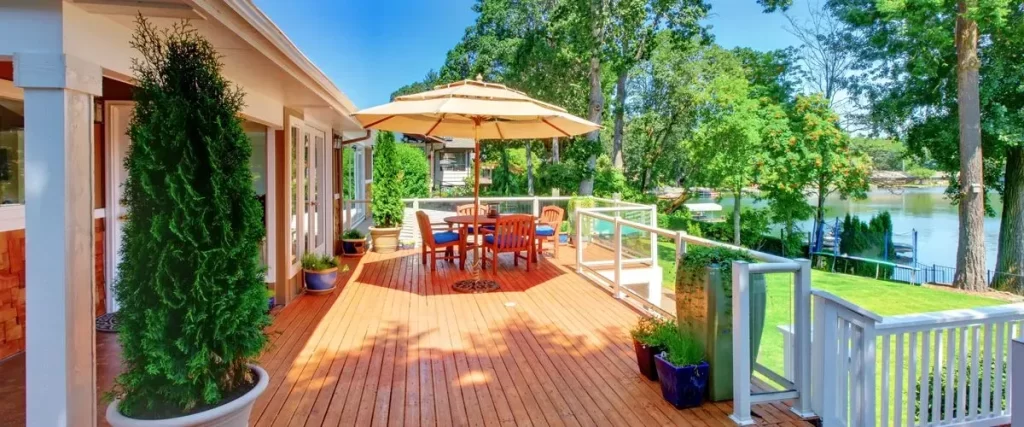
When the weather turns warm, every homeowner has the same idea. Most homeowners choose to build during these months, which increases demand and can affect material availability. This leads to a massive surge in new deck installation requests.
Because most contractors are juggling dozens of projects, you might face longer wait times just to get an estimate. To avoid long lead times, especially for spring builds in 2026, it’s recommended to secure contractor bookings by February. The only downside of a spring build is that a few weeks of heavy rain can push your completion date back by a month.
Summer offers the advantage of long daylight hours, which can help the crew finish the work faster. However, the heat can be brutal for the workers and the materials. If you are installing a wood deck in July, the timber needs to be treated carefully so it doesn’t dry out too fast and twist.
Fall: The Hidden Gem
Many professionals believe fall is actually the perfect time for a new deck project. The air is crisp, the ground is usually dry, and the humidity is low. This creates ideal working conditions for the crew and the best environment for a new wood deck to settle. Plus, since the “homeowners rush” has died down, you might find more availability in your contractor’s schedule.
Building your deck in the fall can also help you save money, as lower demand often leads to better pricing from suppliers and contractors. By completing your deck before winter, you’ll be ready to enjoy more outdoor activities as soon as spring and summer arrive.
Winter: The Surprising Benefits
You might be surprised to learn that winter means business for deck builders. While many homeowners hibernate, the ground in many regions remains workable until the deepest part of the winter.
In fact, the colder months and winter months are often an ideal time for deck construction because the ground is firmer and plants are dormant, minimizing the impact on landscaping. If the footings are poured before the ground freezes solid, the rest of the deck can often be built even in cold temperatures.
There is a distinct advantage to a winter build. Since there are fewer people looking to start outdoor projects, you are the priority. There is less demand for materials, which can sometimes lead to better pricing.
If you use composite decking, the cold weather won’t affect the material at all during the install. Cold temperatures in winter also prevent wood from warping or expanding, making it easier to install. Additionally, winter provides optimal conditions for staining wood decks, helping to prevent issues like cracking and peeling.
The most exciting part of a winter project is the “ready-to-go” factor. While your neighbors are just starting to call contractors in April, you are already out on your new deck, enjoying the first warm days of the year. If you plan ahead and start early, you bypass the stress entirely.
Property and Landscaping Considerations
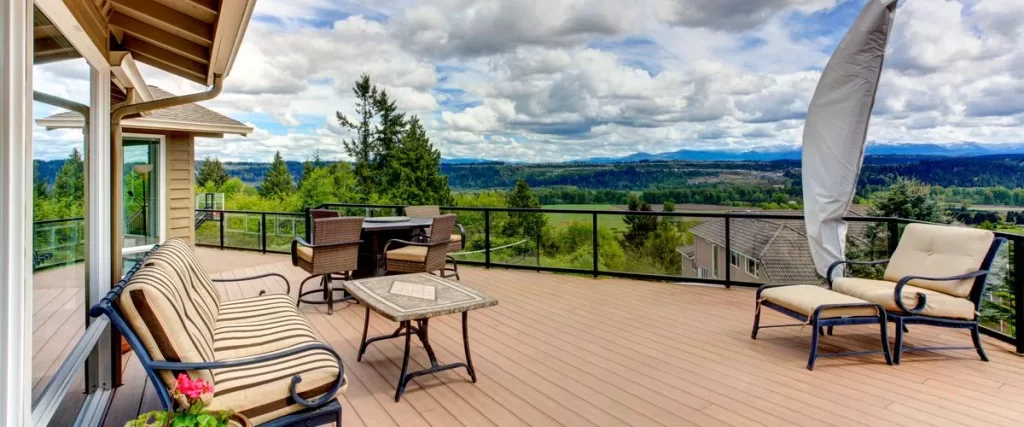
A successful new deck installation starts with a careful look at your property and landscaping. Before you begin your project, take time to assess your yard’s layout, soil type, and any existing features that might impact the design or placement of your deck.
The amount of foot traffic your outdoor living space will see, as well as exposure to extreme temperatures, can influence everything from the size of your deck to the materials you choose.
In regions where the ground freezes during winter, installing footings and foundations can be more challenging, so it’s important to plan accordingly. Consider how your deck will interact with your landscaping: will it provide easy access to your garden, or will it need to be elevated to accommodate sloped ground?
By factoring in these property and environmental details, you can create a deck that not only enhances your outdoor living space but also stands up to the demands of your climate and lifestyle.
Let Us Help Plan Your Deck Project
If you would rather spend your time picking out patio furniture than worrying about building permits and structural loads, it might be time to let the professionals handle the heavy lifting.
At Hard Decks, we can take your ideas and turn them into a reality without the stress of managing a construction site yourself. We know the 2026 market, the best materials for our climate, and how to get your deck building project done efficiently.
Let us help you create the outdoor living space you’ve been dreaming of. To get started on your project or to ask any questions about the best time for your specific home, call us at +1 (815) 706-4648 ormessage us here.